
Complete creative workflow
Frame to Video: The Complete Workflow for Directed AI Motion
frame to video turns a deliberate creative input into one continuous generated clip that follows the supplied frames and creates plausible movement between their visual instructions. Learn the complete frame to video workflow through focused steps, practical examples, controls, fixes, and review checks.
Open Frame to Video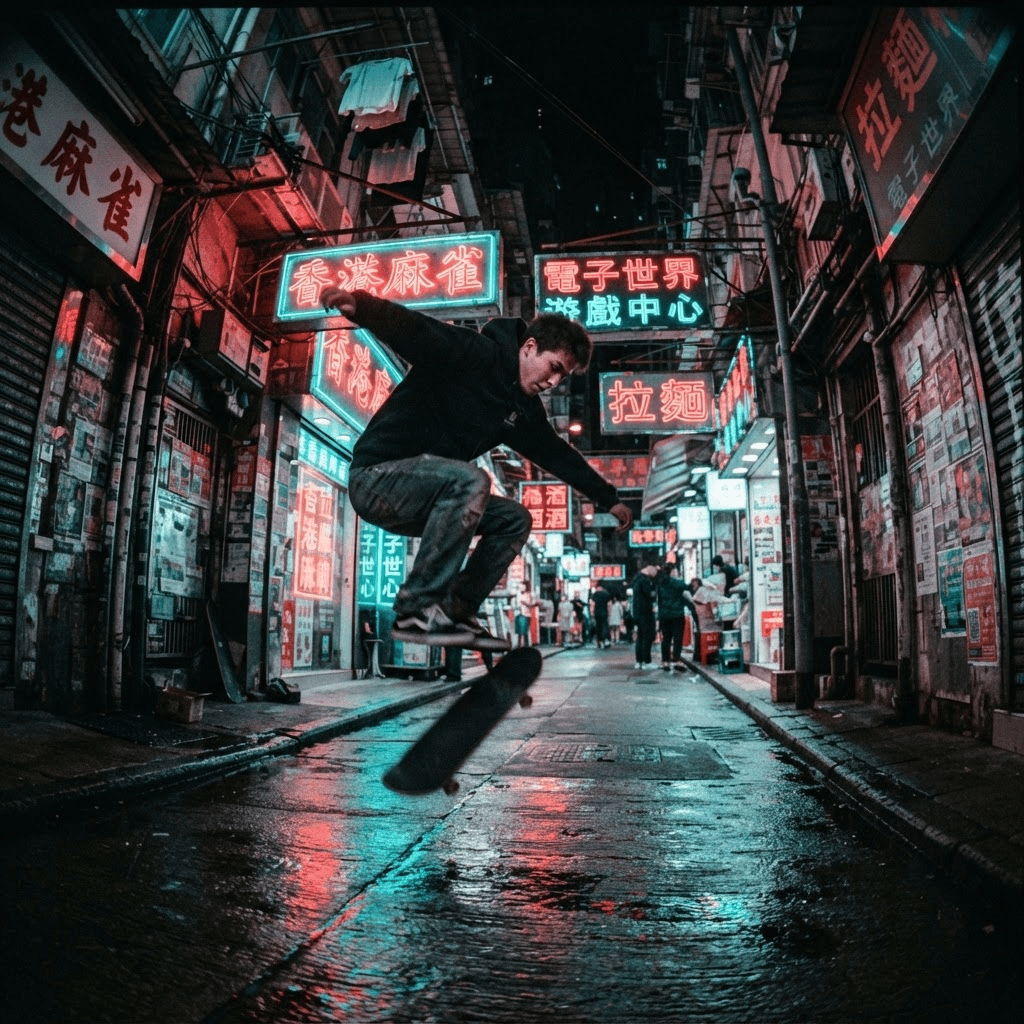
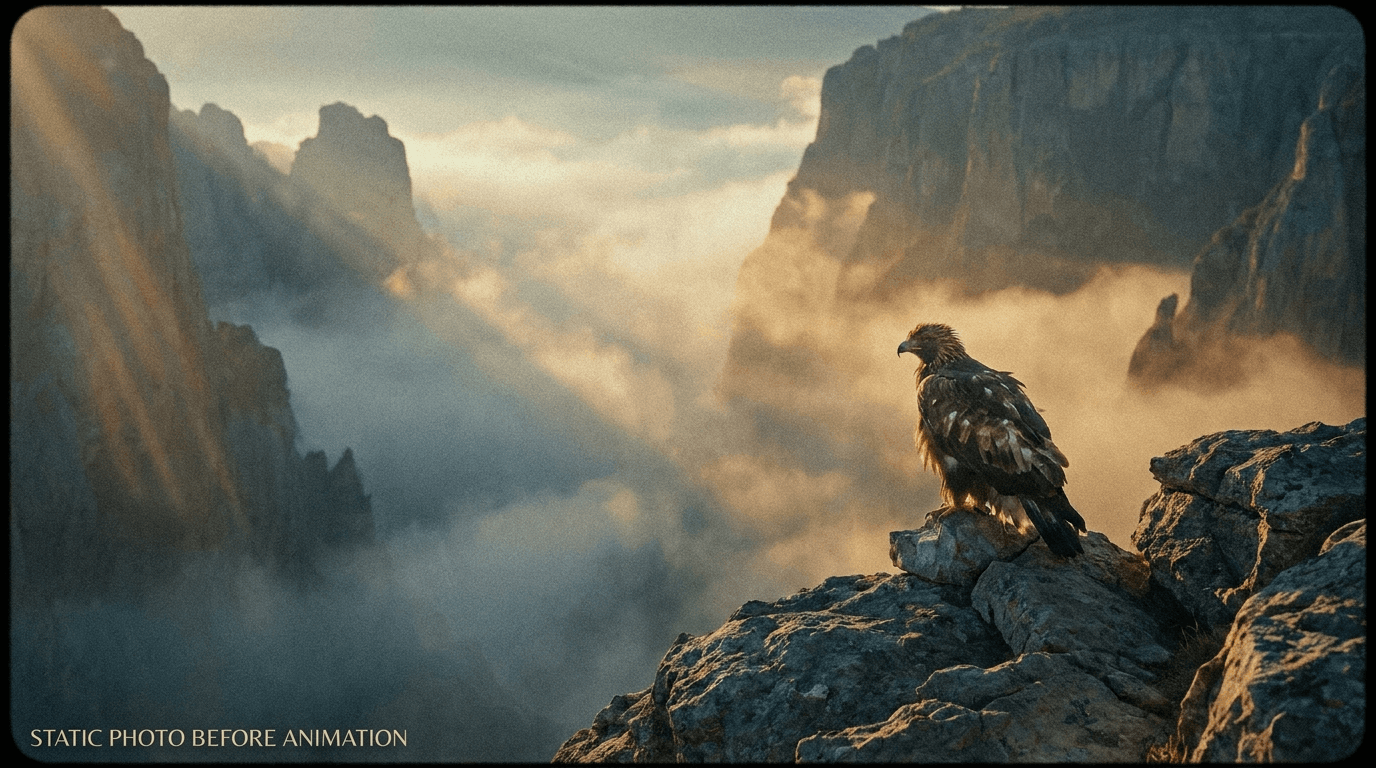
The essential idea
What Is frame to video?
frame to video is built around two or more ordered visual frames that establish the subject, composition, scene progression, and important moments in the shot. It serves filmmakers, designers, advertisers, and creators who want stronger visual guidance than a text-only generation can provide by connecting source preparation, clear direction, generation, inspection, and revision.
The result is one continuous generated clip that follows the supplied frames and creates plausible movement between their visual instructions. Successful frame to video work has a readable subject, a clear purpose, and settings chosen for the final channel.
If the frames conflict in perspective, subject scale, orientation, or story order and the prompt never explains how those differences should develop, simplify the brief. Clear priorities turn frame to video into a repeatable production tool instead of an unpredictable experiment.
Three clear steps
How to Use frame to video
Follow this short frame to video sequence so each decision has a visible purpose.
Prepare the frame to video input
Begin with two or more ordered visual frames that establish the subject, composition, scene progression, and important moments in the shot. Decide what the viewer should notice first, remove accidental distractions, and record the subject, required change, and delivery format. This gives frame to video a clear target before generation starts.
Set the frame to video direction
Define frame order, motion prompt, camera path, duration, aspect ratio, resolution, continuity, and the timing between visual states. Put the subject and main action before style language. Strong frame to video direction says what changes, what stays stable, and how the result should finish.
Generate, inspect, and refine
Generate one frame to video draft and compare it with the brief. Check the subject, composition, continuity, edges, lighting, and ending. Keep successful choices fixed and revise only the variable connected to the visible problem.
Practical applications
Use Cases for frame to video
frame to video can serve early exploration and finished delivery. The right use case has a clear viewer, one primary visual message, and an output format selected before generation.
Build a product reveal across ordered keyframes
Use frame to video for Build a product reveal across ordered keyframes. Set one visual priority, choose the delivery format early, and keep secondary detail quiet. Save the source, prompt, and approved settings so the next frame to video asset begins from a proven direction.
Plan a narrative shot with several visual beats
Use frame to video for Plan a narrative shot with several visual beats. Set one visual priority, choose the delivery format early, and keep secondary detail quiet. Save the source, prompt, and approved settings so the next frame to video asset begins from a proven direction.

Animate a storyboard or campaign concept into one clip
Use frame to video for Animate a storyboard or campaign concept into one clip. Set one visual priority, choose the delivery format early, and keep secondary detail quiet. Save the source, prompt, and approved settings so the next frame to video asset begins from a proven direction.
Prompt anatomy
A Clear frame to video Prompt Formula
Build the prompt in visible order. Each layer answers a different frame to video production question.
- 01
Subject
Name the main subject first. In frame to video, the model should never have to guess what owns the frame.
- 02
Action or change
Describe one visible action, transformation, or compositional goal. Keep the frame to video event realistic for the available space or duration.
- 03
Environment
State the setting only when it affects depth, light, movement, or meaning. Useful frame to video context is concrete and visible.
- 04
Camera and layout
Define viewpoint, crop, camera behavior, or hierarchy. These choices help frame to video organize attention instead of scattering it.
- 05
Finish
Specify the ending, material treatment, mood, and output format. A clear finish gives frame to video a measurable destination.
Creative control
Why a Structured frame to video Workflow Produces Better Results
Capability 01
Organizing frames into a clear visual sequence
Strong frame to video work depends on organizing frames into a clear visual sequence. Keep frame order, motion prompt, camera path, duration, aspect ratio, resolution, continuity, and the timing between visual states aligned with that decision. Define what “correct” means before generation, review the output in its final context, and revise the smallest choice that explains a failure.
Capability 02
Writing motion that connects rather than restates the stills
Strong frame to video work depends on writing motion that connects rather than restates the stills. Keep frame order, motion prompt, camera path, duration, aspect ratio, resolution, continuity, and the timing between visual states aligned with that decision. Define what “correct” means before generation, review the output in its final context, and revise the smallest choice that explains a failure.
Capability 03
Directing camera movement across several reference points
Strong frame to video work depends on directing camera movement across several reference points. Keep frame order, motion prompt, camera path, duration, aspect ratio, resolution, continuity, and the timing between visual states aligned with that decision. Define what “correct” means before generation, review the output in its final context, and revise the smallest choice that explains a failure.
Fast diagnosis
Fix Common frame to video Problems
Match the visible symptom to one likely cause. This keeps frame to video revisions small and measurable.
The subject drifts
Reduce competing actions and repeat the identity anchors that matter. For frame to video, protect silhouette, face, product shape, or composition before adding atmosphere.
The result feels generic
Replace broad adjectives with visible details: lens position, material, gesture, lighting direction, or color relationship. Specific frame to video language creates decisions the model can render.
The composition breaks
Check the source crop and remove camera instructions that fight it. A stable frame to video composition needs compatible depth, scale, orientation, and negative space.
Revision makes it worse
Return to the last successful frame to video version. Restore its settings, change one variable, and compare both outputs at the same size or timeline position.
How to Get Better frame to video Results
For better frame to video results, keep the brief visible during review. Check whether the clip respects the sequence, preserves important identities and shapes, and moves through the visual beats without abrupt or unexplained changes. Review the subject before the background, the structure before surface polish, and the complete result before isolated details.
Avoid the common failure where the frames conflict in perspective, subject scale, orientation, or story order and the prompt never explains how those differences should develop. Simplify the request until the intended change or motion can be described in one sentence. Then add supporting detail only when it clarifies the same frame to video goal.
Test one variable at a time. Save the source, prompt, model, ratio, duration, and settings for each useful frame to video result. This record makes successful decisions reusable and keeps the next frame to video revision based on evidence rather than guesswork.
Before download
Final frame to video Quality Checklist
Review these six areas before approving a frame to video result for publishing, client delivery, or the next production step.
Brief
Can a reviewer explain the main frame to video goal in one sentence?
Subject
Is the subject recognizable, correctly shaped, and visually dominant in the frame to video output?
Continuity
Do identity, lighting, perspective, texture, and movement stay coherent throughout frame to video?
Artifacts
Have you checked hands, faces, text, logos, edges, reflections, and repeated objects after frame to video?
Delivery
Does the final ratio, resolution, crop, duration, and file format match the intended frame to video channel?
Rights
Do you have permission to use the source, likenesses, brands, and final frame to video asset?
Questions and answers
FAQs About frame to video
What is Frame To Video?+
frame to video uses two or more ordered visual frames that establish the subject, composition, scene progression, and important moments in the shot to produce one continuous generated clip that follows the supplied frames and creates plausible movement between their visual instructions. It connects creative direction with a repeatable generation and review process.
How do I start Frame To Video?+
Prepare the source, define one primary outcome, choose frame order, motion prompt, camera path, duration, aspect ratio, resolution, continuity, and the timing between visual states, and generate a draft. Review the subject before decorative detail so every frame to video setting serves a visible purpose.
How do I improve a weak Frame To Video result?+
Find the first clear failure and change one related variable. If the frames conflict in perspective, subject scale, orientation, or story order and the prompt never explains how those differences should develop, simplify the instruction before adding detail. Controlled frame to video iteration makes cause and effect easier to see.
Which settings matter most for Frame To Video?+
Focus on frame order, motion prompt, camera path, duration, aspect ratio, resolution, continuity, and the timing between visual states. Their priority depends on the source and final channel, but every frame to video choice should reinforce the same subject and outcome.
Can I use Frame To Video for professional work?+
Yes. frame to video can support concepts, campaigns, product communication, social content, and client production. Confirm source rights and review every output before publishing.
How should I review a finished Frame To Video output?+
Inspect the subject, composition, continuity, edges, text, hands, logos, artifacts, and delivery format. Strong frame to video work communicates the brief at normal size and remains coherent under close review.
Start Your frame to video Workflow
Prepare the source, define one visual outcome, choose the settings that support it, and evaluate the complete frame to video result before changing the next variable.
Open Frame to Video